12067711152

Mon - Sat : 9am to 7pm Sunday is CLOSED

Why Your Garage Door Won't Open: The Most Common Reasons

Understanding why garage door won’t open helps you diagnose the issue efficiently. Here are the typical causes behind this common problem:

Power Issues

  • Tripped circuit breaker – The opener’s circuit may have tripped, cutting power to the garage door motor
  • Unplugged power cord – The opener’s power supply could be disconnected from the outlet
  • Power outage or power failure – Loss of electricity prevents electric garage door operation

Mechanical Failures

  • Broken spring – A failed garage door spring (torsion spring or extension spring) prevents the door from lifting
  • Broken cable – Snapped lift cables leave the door stuck
  • Manual lock engaged – The lock handle or latch is manually locked from inside the garage
  • Stripped gear inside the opener – The drive gear or carriage gear wears out over time
  • Trolley disconnect – The emergency release cord has been pulled, disconnecting the door from the opener

Remote and Control Problems

  • Dead remote batteries – Batteries in the remote wear out and need replacement
  • Remote lock mode activated – Many openers have a lock feature that disables remote operation
  • Frequency interference – Other devices can interfere with the remote signal
  • Wall switch malfunction – The wall button inside the garage may have faulty wiring

Safety and Sensor Issues

  • Misaligned safety sensors – The sensor on either side of the door must align properly to allow operation
  • Dirty sensor lenses – Dust or debris blocks the sensor beam
  • Obstruction in the path – Objects blocking the door prevent opening and closing the door

Track and Alignment Issues

  • Obstructions in tracks – Debris in the door opener track prevents smooth movement
  • Misaligned tracks – Bent or shifted tracks block the door’s path

Each of these issues requires different solutions. Some are simple DIY fixes, while others require professional help to repair garage doors safely.

Quick Troubleshooting Steps When Your Garage Door Won't Open

What to do if garage door won't open depends on identifying the cause. Follow these systematic troubleshooting steps: Check the Power Source and Circuit Breaker

Inspect the Remote and Wall Switch

Test the Wall Button

Press the wall-mounted button inside the garage. If the door opens with the wall switch but not the remote, the problem is with your remote control, not the opener itself.

Replace Remote Batteries

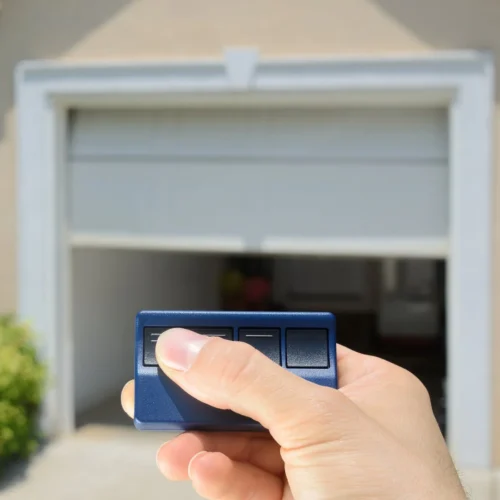
Dead batteries are one of the simplest explanations for why my garage door won't open remotely. Replace batteries in the remote and test again.

Check for Lock Mode

Many openers feature a "vacation lock" or "lock mode" activated by holding the wall button for several seconds. This disables all remote controls as a security feature. Check your opener's light for a flashing pattern indicating lock mode is active. Deactivate by holding the wall button again.

Reprogram the Remote

If replacing the batteries doesn't work, the remote may need reprogramming. Consult your opener manual for the specific reprogramming process for your model.

Examine the Safety Sensors

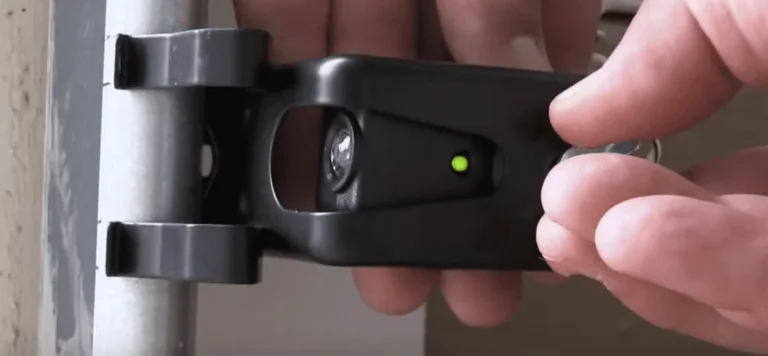
  • Check Sensor Lights Look at the sensors mounted on either side of the door near the floor. Most have LED indicator lights. Both lights should be steady (typically green or amber). Blinking lights indicate misalignment or obstruction.

  • Clean the Sensor Lenses Dirt, spider webs, or moisture on the lenses can block the beam. Wipe both sensor lenses with a soft cloth to clean them.

  • Realign the Sensors If lights are blinking, gently adjust the sensors until both lights are steady. They must face each other directly to complete the invisible beam. Loosen the mounting bracket slightly, adjust position, and retighten.

  • Remove Obstructions Ensure nothing is blocking the sensor beam across the bottom of the door opening—even a leaf or small toy can interfere.


Check for Manual Lock Engagement

If your garage door is stuck and you hear the motor running but the door doesn't move, check if the manual lock is engaged. Some doors have a lock handle on the inside that slides a latch into the track. This physically prevents the door from opening even when the opener activates. Simply unlock the manual lock to resolve this issue.

Company Owner

Test the Emergency Release


Pull the cord to disconnect the trolley from the opener. This red emergency release cord allows you to open the door manually during power outages. Try to lift the door by hand:

Door lifts easily – The opener has a mechanical issue (gear strip, motor failure, or the carriage isn’t engaging)

Clean the Sensor Lenses Dirt, spider webs, or moisture on the lenses can block the beam. Wipe both sensor lenses with a soft cloth to clean them.

Door is extremely heavy or won’t lift – You likely have a broken spring that requires professional repair

Door lifts partway then gets stuck – Track obstruction or misalignment is preventing movement


After testing, reconnect the trolley by pulling the cord toward the door and manually operating the door until the carriage engages again.


Inspect for Visible Damage

Conduct a visual inspection of the entire system:

Look at springs at the top of the door for breaks or gaps

Check cables running along either side of the door for fraying

Examine tracks for bends, debris, or objects blocking the path

Listen for unusual sounds when trying to open—grinding, clicking, or inconsistently running motors indicate mechanical problems

When to Call a Professional for Garage Door Repairs


While some issues are DIY-friendly, certain problems require professional help for safety and proper repair:

  • Broken or Damaged Springs A garage door with a broken spring is dangerous to repair yourself. Torsion springs and extension springs are under extreme tension and can cause serious injury if handled improperly. If you hear a loud bang or the door is extremely heavy to lift manually, you likely have spring damage requiring a technician.

  • Opener Motor Failure If you hear the motor running but nothing happens, or if the motor doesn’t activate at all despite having power, the garage door motor or internal components like the gear and drive mechanism may have failed. This requires professional diagnosis and repair.

  • Electrical and Wiring Issues Faulty wiring, damaged cables to sensors, or electrical problems with the opener are best handled by experienced professionals to avoid safety hazards and ensure code compliance.

  • Persistent or Unknown Problems If you’ve checked power, tested remotes, inspected sensors, and the garage door doesn’t open despite your troubleshooting efforts, professional diagnosis saves time and money. Attempting repeated DIY fixes on complex issues can worsen the problem.

  • Track and Structural Issues Severely bent tracks, door misalignment, or structural damage to the door itself require professional tools and expertise to fix properly without causing further damage.

    Premium Overhead provides expert garage door service for all these scenarios. Our technicians diagnose issues quickly, carry replacement parts on service trucks, and complete most repairs the same day. We handle everything from simple fixes to complex opener replacements, ensuring your door operates safely.


Inspect for Visible Damage

Regular garage door maintenance prevents many issues that cause doors to stop working. Implement these preventive measures:

Monthly Visual Inspection Examine springs, cables, rollers, and tracks for signs of wear, rust, or damage. Catching problems early prevents complete failures that leave you unable to open the garage door.

Battery Replacement Replace batteries in the remote annually, even if they’re still working. This prevents the inconvenience of discovering dead batteries when you’re trying to open the door in a rush.

Keep Tracks Clear Don’t store items near the door opener track or lean objects against the door. Obstructions damage the door and prevent proper operation.

Lubrication Every 3-6 Months Apply garage door lubricant to springs, hinges, rollers, and tracks. This reduces friction, prevents rust, and ensures smooth opening and closing the door. Use silicone-based lubricant rather than WD-40.

Sensor Cleaning and Testing Clean sensor lenses quarterly and test the auto-reverse function by placing an object in the door’s path. This ensures safety features work properly.

Professional Tune-Ups Schedule annual professional inspections. Technicians identify worn components before they fail, adjust the door for optimal performance, and lubricate all moving parts. This preventive service extends your door’s lifespan and prevents unexpected breakdowns.

These simple maintenance steps significantly reduce the likelihood of waking up to find your garage door won’t open or close when you need it most.

FAQ

?

Why won't my garage door open even with power?

If your electric garage door won't open despite having power, several issues could be responsible. The opener may be in lock mode, which disables remote operation—hold the wall button for 5-10 seconds to deactivate. Safety sensors might be misaligned or dirty, preventing operation for safety reasons. Check that both sensor lights are steady, not blinking. A broken spring makes the door too heavy for the opener motor to lift. The opener's internal gear may be stripped, causing the motor to run without moving the door. Finally, the emergency release cord might be pulled, disconnecting the trolley from the opener. Each of these scenarios requires different solutions.

?

What should I check first if my garage door won't open?

Start with the simplest possibilities first. Check if the opener has power by verifying the circuit breaker hasn't tripped and the power cord is plugged in. Test batteries in the remote by trying to open with the wall button instead. Inspect the safety sensors—both lights should be steady, indicating proper alignment. Look for obvious obstructions in the door's path or tracks. These basic checks resolve most common issues. If these steps don't identify the problem, inspect for broken springs (door extremely heavy to lift manually) or call a professional for diagnosis.

?

How do I fix a garage door that won't open remotely?

When the wall button works but the remote doesn't, focus on remote-related issues. First, try replacing the batteries—this solves the problem in most cases. Ensure you're within range of the opener; most remotes work up to 50 feet away. Check if lock mode is activated, which disables all remotes. Look for the lock indicator on the wall panel or consult your manual. Reprogram the remote following your opener's specific instructions—usually involving pressing the "learn" button on the opener. If multiple remotes don't work, the opener's receiver may have failed, requiring professional repair.

?

Is it safe to repair garage door springs myself?

No, homeowners should never attempt to repair or replace garage door springs themselves. Torsion springs are under hundreds of pounds of tension and can cause severe injury or death if released improperly. Even extension springs pose significant risks. Professional technicians have specialized tools, training, and safety equipment to handle spring repairs safely. Attempting DIY spring replacement voids warranties and creates liability issues if someone is injured. The small cost savings isn't worth the extreme risk. Always hire a professional for any spring-related repairs to ensure safety and proper installation.

?

What if my garage door won't open or close at all?

A door that won't open or close at all typically indicates a major mechanical or electrical failure. First, verify the opener has power and the circuit breaker isn't tripped. Try opening the door manually by pulling the emergency release cord—if the door won't lift by hand, you have broken springs or severe track issues. If the door lifts manually but the opener does nothing, the motor, gear, or electrical components have failed. Check for error codes on your opener's display panel if equipped. This level of failure usually requires professional help to diagnose and repair safely. Contact Premium Overhead for expert service that identifies the root cause and restores full operation.

Step container will be here