12067711152

Mon - Sat : 9am to 7pm Sunday is CLOSED

Common Reasons Your Garage Door Remote Not Working

Understanding the typical causes behind garage door opener remote not working helps you diagnose the problem efficiently. Here are the most frequent culprits:

Dead or Weak Remote Batteries

The most common reason remote garage door opener not working is simply dead batteries. Remote batteries typically last 1-2 years with normal use, but can drain faster with heavy usage.

Signal Interference

Electronic devices, LED bulbs in the opener, wireless routers, or even nearby radio towers can interfere with the remote signal. This causes the remote for garage door opener not working intermittently or only at certain distances.

Lock Button Engaged

Many garage door openers feature a lock button on your wall panel that disables all remotes for security. If someone activates this engaged lock button, your remote control for garage door not working is intentional, not a malfunction.

Antenna Issues

A damaged, disconnected, or poorly positioned antenna on the garage door opener unit limits or blocks remote signal reception.

Lost Programming or Syncing

Remotes can lose their programming due to power outages, interference, or when someone accidentally resets the garage door opener unit. The remote will not work until reprogrammed to communicate with the receiver.

Faulty Remote Hardware Internal circuit board damage from drops, moisture, or age can cause complete remote failures. Physical damage to the button on your remote or worn contacts prevent signal transmission.

Opener Receiver Problems The receiver inside the garage door opener’s motor unit may malfunction, preventing it from detecting any remote signals. This affects all remotes simultaneously.

Out of Range

Most garage door remotes work within 50-100 feet of the opener. Attempting to operate from too far away causes failures.

Each of these issues requires different troubleshooting approaches. Some are simple DIY fixes, while others need professional diagnosis and repair.

Quick Fixes for Garage Door Remote Not Working

What to do when garage door opener not working with remote depends on identifying the specific issue. Follow these troubleshooting steps:

Signs of weak batteries:

  • Remote works fine when very close to the opener but not from normal distance
  • Remote requires multiple button presses to activate
  • Indicator light on remote is dim or doesn’t light when pressing

Reprogram Your Garage Door Remote

Brand-specific notes:

  • LiftMaster/Chamberlain: Press learn button, then remote button within 30 seconds
  • Genie: Hold learn button for 3 seconds until LED blinks, then press remote
  • Overhead Door: Some models require holding both learn and remote buttons simultaneously

If reprogramming doesn’t work, consult your specific opener manual or contact a garage door technician for assistance.

Check for Signal Interference or Range Issues

Troubleshooting Garage Door Sensors and Tracks

Sometimes what appears to be a garage door remote not working is actually the door refusing to operate due to safety sensor issues:

Remove Obstructions and Inspect Tracks

When basic troubleshooting doesn’t solve why garage door won’t close, consider these less common but important causes:

Visual Track Inspection

Examine the entire length of tracks on both sides of the door for debris, tools, or objects that could obstruct door movement. Even if your remote works, the door won't operate if tracks are blocked.

Clear Debris

Remove leaves, dirt, small toys, or any items from the tracks. Wipe tracks clean with a cloth to ensure smooth roller movement.

Check for Bent Tracks

Look for dents, bends, or gaps in the tracks. Severely bent tracks prevent proper door operation regardless of remote functionality. Minor bends might be straightened with pliers, but significant damage requires professional repair.

Lubricate Moving Parts

Apply garage door lubricant to tracks, rollers, and hinges. Excessive friction from dry components can prevent the door from moving even when the remote signal is received correctly.
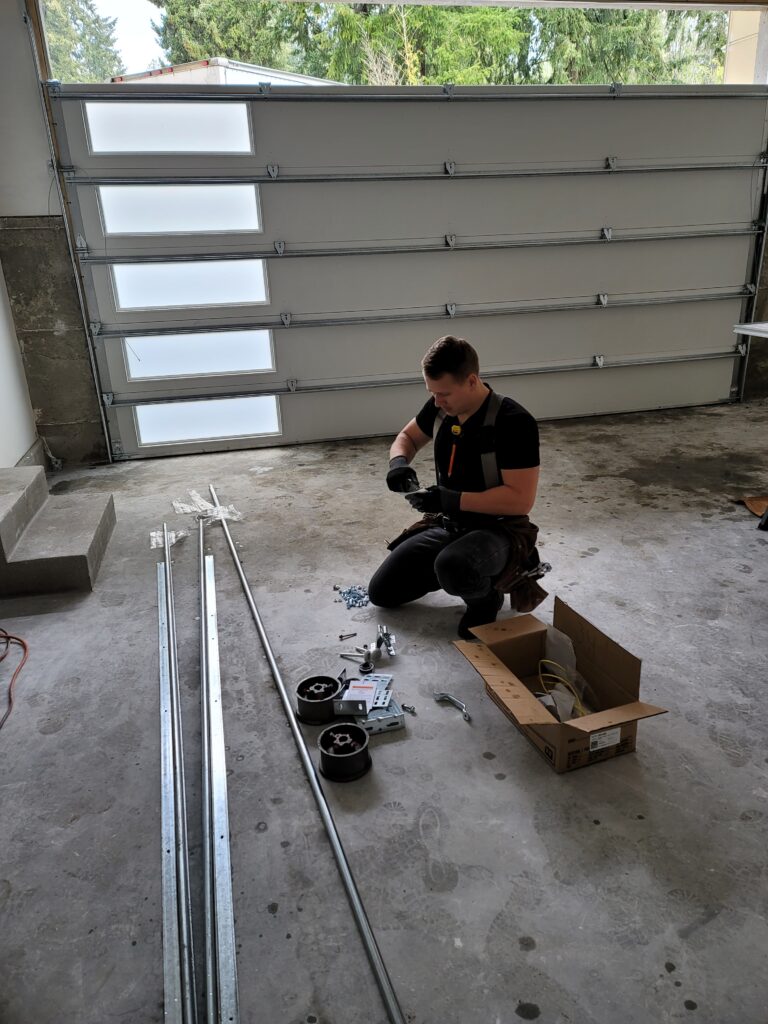
Replace Faulty or Damaged Sensors


Signs sensors need replacement:

  • No lights on one or both sensors despite having power
  • Sensors won’t align no matter how carefully adjusted
  • Physical damage to sensor housing or lenses
  • Sensors work intermittently with no clear pattern

If sensors are defective, they must be replaced to restore full garage door functionality. While some homeowners tackle this DIY, professional installation ensures correct wiring and alignment.

Other Garage Door Closure Problems to Consider


Beyond remote issues, several other factors can prevent your garage door from operating:

Manual Release Cord Engaged If someone pulled the emergency release cord (red handle hanging from the opener rail), the door disconnects from the opener. Press the remote button—if you hear the motor running but the door doesn’t move, this is likely the cause. Manually cycle the door to re-engage the trolley with the opener carriage.

Power Supply Issues Ensure the garage door opener unit has power. Check that the power cord is plugged in securely and the circuit breaker hasn’t tripped. After a power outage, you may need to reprogram remotes.

Door Lock Engaged Some garage doors have a manual lock or slide lock on the inside. If engaged, this physically prevents door movement even when the remote works. Check for an engaged lock button or manual latch.

Broken Springs or Cables A broken torsion spring makes the door extremely heavy—the opener cannot lift it even with a functioning remote. You’ll hear the motor straining or the opener may not activate at all. Broken cables create similar issues. These require immediate professional repair.

Travel Limit Settings Incorrectly adjusted travel limits can prevent the door from completing its cycle. The opener thinks the door is fully closed or open when it’s not, refusing remote commands.

Wiring Problems Inside the Opener Loose internal wiring connections or circuit board damage can prevent the garage door opener’s receiver from processing remote signals properly.

Emergency Manual Closure If you must get your door closed immediately and the remote will not work, pull the emergency release cord and manually lower the door. This should only be a temporary solution until proper repairs are completed.

When to Call a Garage Door Professional

While many remote issues are DIY-friendly, certain situations require professional help:

All Remotes Fail After Troubleshooting

If replacing the batteries, reprogramming, and checking for interference doesn’t resolve why my garage door remote is not working, the opener’s receiver or internal electronics may have failed. Professional diagnosis identifies the exact problem.

Physical Damage to the Opener

Visible damage to the motor unit, antenna, or housing suggests internal component failure. Don’t attempt repairs yourself—damaged openers can be dangerous.

Remote Keypad Malfunctions

Wall-mounted keypads that stop working despite new batteries and reprogramming attempts often have wiring issues requiring professional diagnosis.

Time and Expertise Constraints

If you lack the time, tools, or confidence to troubleshoot garage door technology problems, professional service saves frustration and ensures proper repair.

Opener Makes Unusual Sounds

Grinding, clicking, or inconsistent motor sounds when pressing the remote indicate mechanical problems requiring expert repair.

Safety Sensor Replacement Needed

While technically DIY-capable, sensor replacement involves electrical wiring that many homeowners prefer professionals handle for safety and warranty reasons.

Broken Springs or Cables Never attempt to repair garage door springs or cables yourself. The extreme tension can cause severe injury. Always call a garage door technician for spring and cable issues.

Premium Overhead provides expert garage door repair for all these scenarios. Our experienced technicians quickly diagnose remote issues, replace faulty components, reprogram systems, and ensure your garage door opener operates reliably. We service all major brands including LiftMaster, Chamberlain, Genie, and Overhead Door.

FAQ

?

Why is my garage door remote not working?

The most common reasons your garage door remote not working include dead batteries (replace every 1-2 years), lost programming requiring reprogramming with the learn button, signal interference from LED bulbs or wireless devices, an engaged lock button on your wall panel disabling remotes, or physical damage to the remote's internal circuitry. Less commonly, the opener's receiver may have failed, the antenna may be damaged, or you're operating from too far away (remotes typically work within 50-100 feet). Start troubleshooting by replacing batteries and checking if the wall button works—this tells you whether the issue is the remote or the opener.

?

How do I reset my garage door opener remote?

To reset and reprogram your garage door opener remote, first locate the learn button on the motor unit (usually on the back or side panel). Press this learn button—an indicator light should illuminate or blink. Within 30 seconds, press the button on your remote that you wish to program and hold for 2-3 seconds. The opener light should blink to confirm successful programming. Test by pressing the remote to open and close the door. If this doesn't work, consult your specific opener manual as some brands like Genie or Overhead Door have slightly different procedures. If the remote still not working after reprogramming, the remote itself may be defective and need replacement.

?

What does a blinking garage door sensor mean?

Blinking lights on your garage door sensors indicate the safety sensors are not aligned properly or detecting an obstruction. The sensors must create an unbroken infrared beam across the door opening—when misaligned, they cannot "see" each other, causing lights to blink. This prevents the door from closing as a safety measure. To fix, clean both sensor lenses with a soft cloth, then gently adjust each sensor until both lights are steady (typically green). Ensure nothing blocks the beam path between sensors. If blinking continues despite alignment and cleaning, the sensors may be damaged and require replacement. Note that sensor issues can make it appear your remote control for garage door not working when actually the door simply won't close due to safety protocols.

?

Can I close my garage door manually if the remote fails?

Yes, you can close your garage door manually when your remote for garage door not working. Pull the emergency release cord (red handle hanging from the opener rail) to disconnect the door from the automatic opener. This allows you to manually lift or lower the door by hand. Lower the door carefully—it will be heavy without the opener's assistance. Once the door is closed, you can manually lock it if needed. To reconnect the automatic opener after fixing your remote issues, pull the emergency release cord toward the door and manually cycle the door open and close until the trolley re-engages with the opener carriage. Never leave the door disconnected long-term—it defeats the convenience and security of your automatic system.

?

When should I call a professional for garage door issues?

Call a professional when basic troubleshooting doesn't resolve the garage door remote not working, when you've tried new batteries and reprogramming without success, or when all remotes and the wall button fail simultaneously (indicating opener problems, not remote issues). Additionally, contact Premium Overhead if you notice unusual sounds from the opener, suspect broken springs or cables (extremely dangerous to repair yourself), encounter electrical or wiring problems, need sensors replaced, or lack confidence in DIY repairs. Professional garage door technicians diagnose complex issues quickly, carry replacement parts, and complete repairs safely. If your garage door doesn't respond to any controls or makes grinding noises, don't delay—call for expert service to prevent further damage and ensure safe operation.

Step container will be here